Diane wrote to us the day after her birthday.
Every issue of LateDrift begins with a letter. Sometimes it is a letter we chose from the pile. Sometimes it is the one that would not stop rattling around our heads after we read it. This week's letter arrived from Diane in Portland, Oregon, the day after her forty-seventh birthday, and it stayed with us. We read it aloud on Episode 47 with her permission, and she gave us permission to print it here in full. Her words, her punctuation. We changed nothing.
I am writing this because I do not know where else to put it. I have a good husband and a kind sister and I love them, but they do not know what this is. My doctor is a nice woman who tells me my labs are normal. My friends who are younger tell me to try matcha. My friends who are older tell me it gets better. None of this is helpful. I am going to describe what is happening and then I am going to ask you a question.
I turned forty-seven yesterday. I ate a piece of cake. One piece. I have eaten cake on my birthday for forty-six other birthdays and I have never thought about the piece of cake. This morning I stood on the scale and the scale said I was two pounds heavier than I was yesterday. Two pounds. For one piece of cake. I got off the scale and stood in the kitchen and cried for about four minutes, not because of the two pounds, but because I could feel myself turning into a person who was going to start thinking about pieces of cake.
Here is the question. I eat the same food I always did. I walk the same dog around the same neighborhood and I go to the same yoga class on Tuesday nights that I have been going to for eleven years. Nothing has changed about what I am doing. Everything has changed about what my body is doing with it. I am twelve pounds heavier than I was two years ago. My waistband is tight. I am hungry between meals in a way I never used to be, but only around four in the afternoon and first thing in the morning. My energy crashes at three. I fall asleep watching television at nine and I wake up at four and I cannot get back to sleep. I look at old pictures of myself and I do not look like that anymore and I am not sure when that happened.
I listened to your episode about leptin last month and I want to believe the science. I do. I also want someone to tell me what I am supposed to do, in ordinary language, starting tomorrow morning. I am not interested in starving myself. I am not interested in giving up bread. I am not interested in CrossFit. I am a woman who had a body that worked and who has a body that does not work and I want to know what a reasonable woman does about this.
Thank you for reading this. Thank you for being kind to the women who write in. I listen to every episode while I walk the dog.
Diane, we are going to answer you in the order you asked.
Marguerite read the letter on air and we both sat with it for a while before we recorded the response. Neither of us is a doctor. Neither of us is going to tell you what your cortisol is doing. What we can tell you is that the letter you wrote is, almost word for word, the letter we get at least three times a month from women between forty-two and fifty-three. The specifics change. The shape is always the same: I am doing what I always did, and my body is not doing what it always did. So first, and we cannot stress this enough, Diane — it is not you. It is the middle chapter of being a woman, and there is a mechanism, and there are reasonable things a reasonable woman can do about it.
The mechanism is not mysterious. Between about forty and fifty-two, the hormones that tell your body how to respond to food start doing it differently. Specifically: estrogen drops, which changes where your body stores fat (less hip, more middle — the waistband thing). Insulin sensitivity declines, which means the same slice of cake lands in your bloodstream as a bigger sugar signal. And the two hormones that manage appetite — leptin, which tells your brain you are full, and GLP-1, which slows the rise of blood sugar after you eat — both become less responsive. Same food. Different reception. That is the banquet Diane is describing. The banquet is not in the food. The banquet is in what her body is hearing.
The four-in-the-afternoon hunger and the first-thing-in-the-morning hunger are signatures. Those two windows are when blood glucose is most unstable in a perimenopausal system. The afternoon crash is the drop from lunch-plus-adrenaline that your younger body buffered and your current body does not. The morning one is a cortisol-and-hunger handshake that used to be imperceptible because leptin was louder. Neither of them is a character flaw. Both of them are a signal.
The three o'clock energy crash, the nine o'clock sleepy, the four o'clock wake-up — that is a circadian disruption that downstream from the same hormonal shift. Estrogen has a role in slow-wave sleep regulation. When it drops, it takes a slice of sleep architecture with it. You wake up at four not because you are stressed. You wake up at four because you are a woman of forty-seven and that is a common thing that happens to women of forty-seven.
Now. What does a reasonable woman do about it. In ordinary language, starting tomorrow morning.
One thing we actually recommend
We are going to be honest with you the way we wish our own older sisters had been honest with us. There are a small number of things that help, and a much larger number of things that are either expensive placebos or stimulant-heavy products that feel like they are doing something because they are giving you caffeine. We have been through enough of both categories to have opinions.
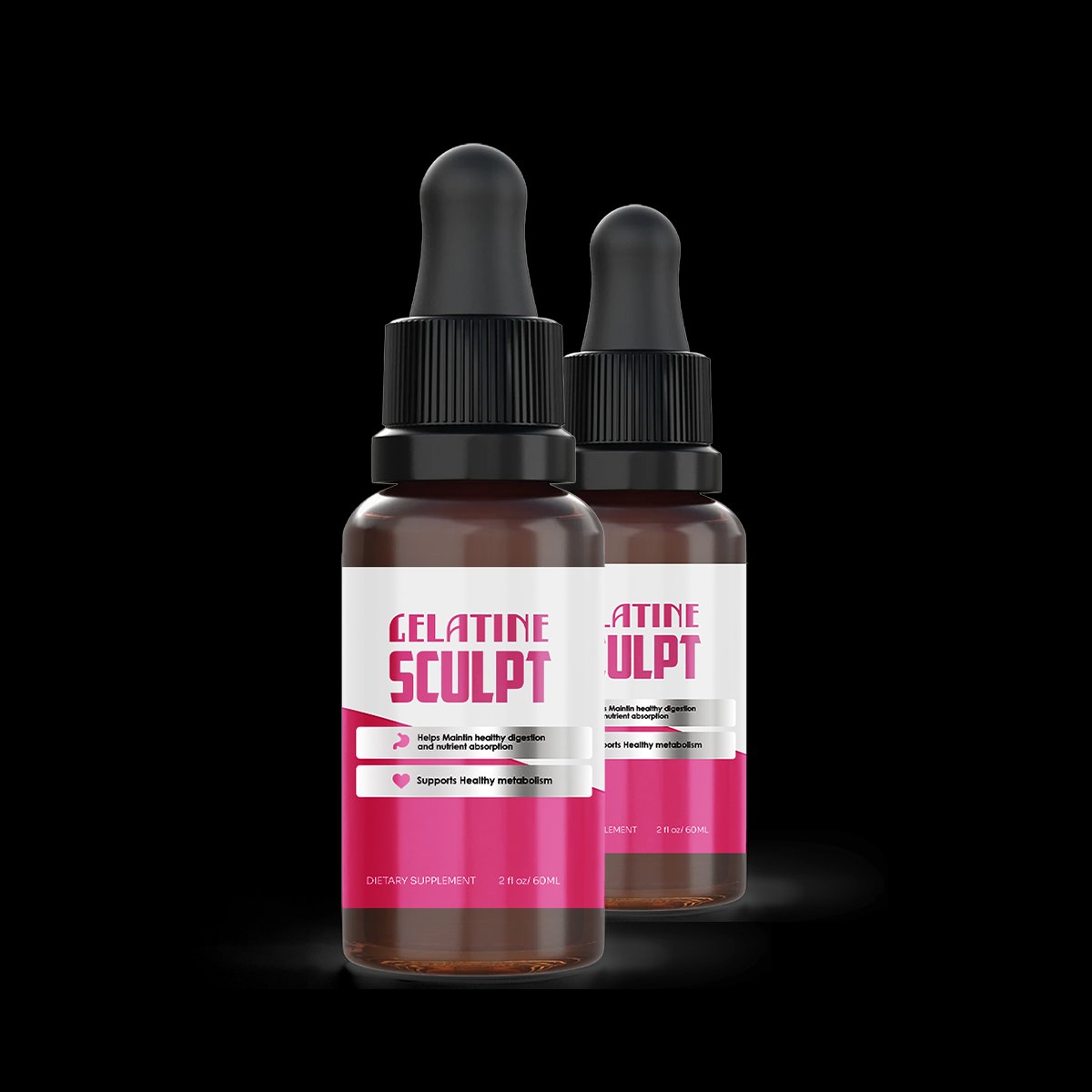
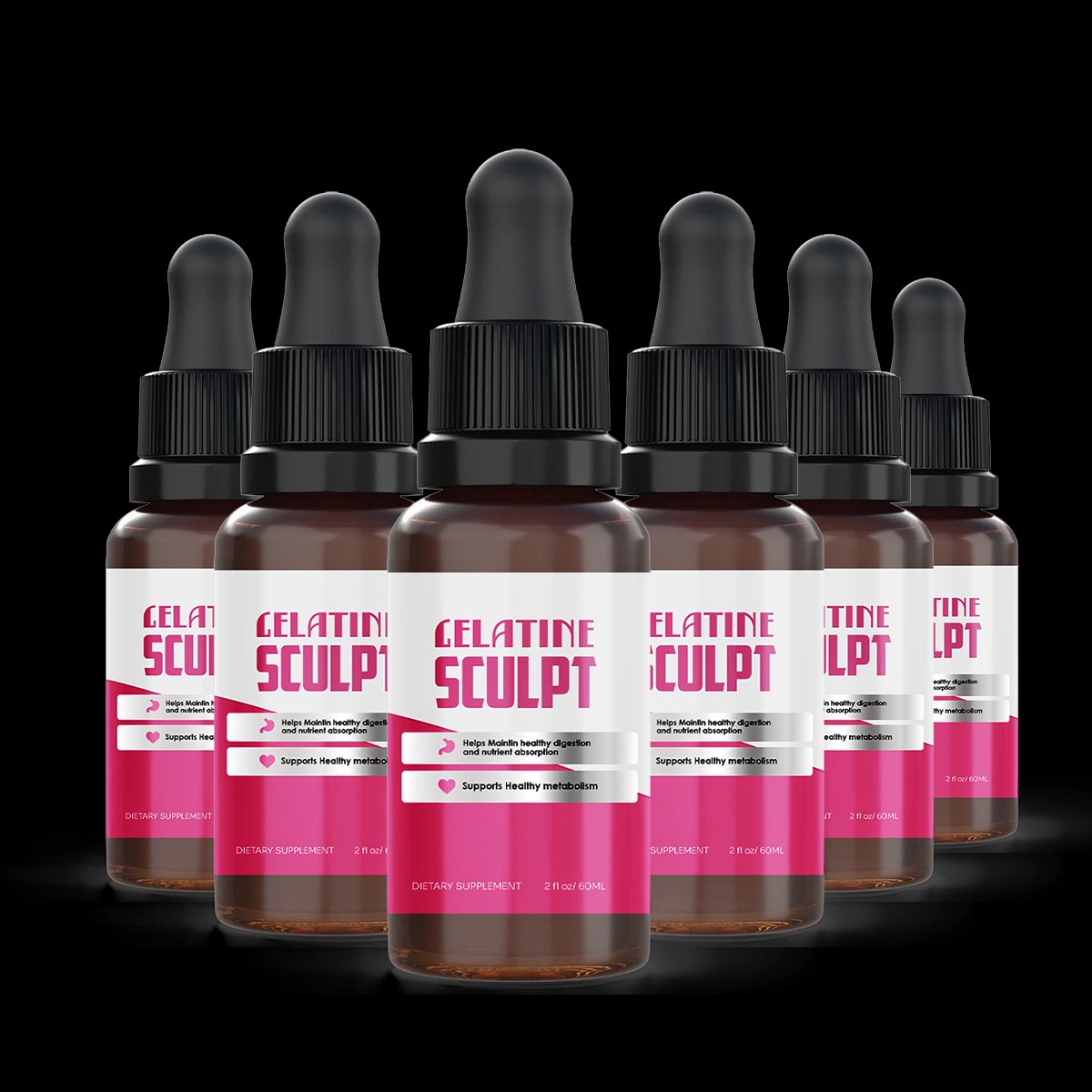
For the last six months, both of us have been using — and recommending, when women write in with letters that look a lot like Diane's — a liquid formula called Gelatine Sculpt. It addresses exactly the three things the letter is describing: afternoon and morning appetite signalling, post-meal glucose stability, and the inflammation that makes fat mobilisation sticky after forty. It is not a stimulant. It is not a GLP-1 medication. It is not going to do what Ozempic does. It is the category between "eat less, move more" (which is not an answer) and "start an injectable" (which is not the first thing to try).
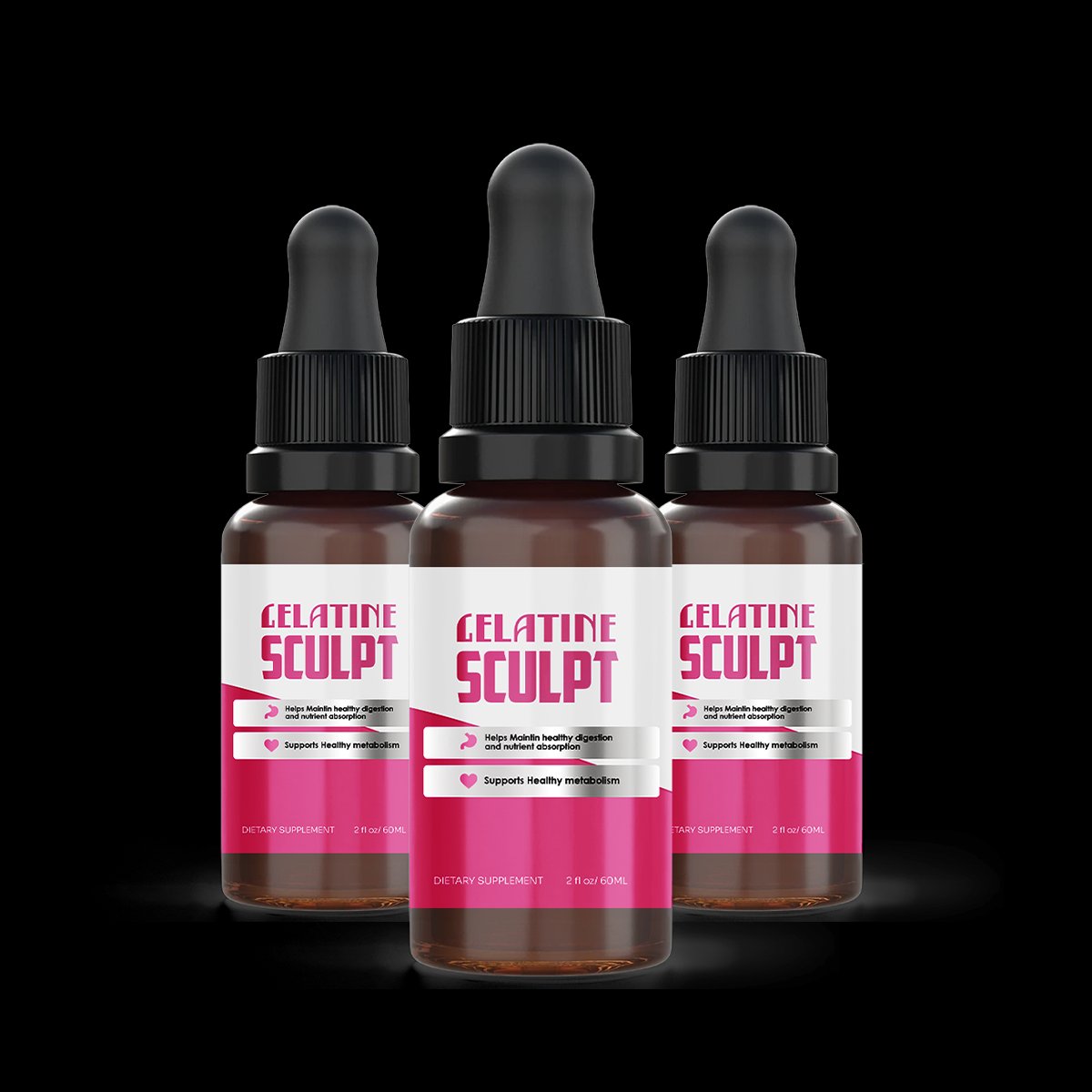
Gelatine Sculpt
A liquid, sublingual formula combining hydrolyzed gelatine as a glycine carrier with five further compounds aimed at the specific appetite and glucose patterns we hear about in letters like Diane's. One dropper each morning before coffee.
The formula at the centre of our answer to Diane.
See the Current Offer →Diane's letter, read aloud and answered
- Chapters
- 00:00Cold open — reading Diane's letter
- 06:40"It is not you" — the mechanism
- 12:34Leptin and GLP-1 after forty, in plain language
- 19:15The formula we use ourselves, and why
- 25:48Three listeners call in
- 33:20What a reasonable woman does, starting Monday
About Diane's letter, three women wrote us the same week.
Marguerite reads everything. We got more mail about Diane's letter than we have received about any single issue in the two years of this newsletter. We have included three of the responses below, lightly edited for length and with permission. We picked three because they pattern-match three directions the conversation goes in after a letter like this lands.
The six things inside one small bottle.
We are going to be brief here because the mechanism matters less than the experience. Six compounds, chosen for the specific biological pattern that makes up the letter Diane wrote. Sublingual liquid. One dropper in the morning. The kind of thing a reasonable woman can add to a routine without rebuilding it.
Hydrolyzed gelatine
The base of the formula. Delivers glycine, an amino acid that has a documented effect on the satiety hormone GLP-1. Also helps protect muscle during the kind of quiet calorie shift that happens when appetite signalling recovers.
Berberine hydrochloride
The most-studied natural compound for insulin sensitivity in the last fifteen years. Does the heavy lifting on the four-in-the-afternoon hunger pattern by stabilising the post-meal glucose curve that gets shaky in a perimenopausal system.
African mango seed
Irvingia gabonensis. Addresses leptin receptor sensitivity — the "I ate but I am still hungry" pattern. This is the compound that is most likely responsible for the first thing Diane will notice, which is that afternoon hunger gets quieter.
Curcumin turmeric extract
Chronic low-grade inflammation in fat tissue functions like a mechanical lock after forty. Curcumin addresses it. The effect is slow and undramatic. It matters because it is the reason fat comes off at all.
Green tea extract
A small sustained thermogenic lift. Not caffeine-like. Not the kind of thing you would notice as jittery or heart-rate-raising. Contributes a low-single-digit increase in resting energy expenditure over months.
Chromium picolinate
Smooths the post-meal blood sugar curve. The compound most responsible for the late-afternoon sweet craving pattern quieting down. Women often describe this change as willpower getting easier. It is not willpower. The physiological pressure on willpower went down.
The reasonable woman's protocol, in ordinary language.
On the episode Marguerite asked Diane, on air, if she would consider trying the formula and reporting back. Diane said yes. We sent her the three-month bundle. Her first check-in is scheduled for the end of May. We will read whatever she writes us, and we will answer on the record, the way we answer every letter.
For you, the reader who is in the same chapter: the protocol is small. One dropper in the morning before coffee, held under the tongue for ten seconds, swallowed. No other change for the first four weeks — you do not need to fix your diet at the same time, you do not need to start a new exercise routine. The point of that constraint is simple: we want you to be able to tell whether the formula is doing anything. If you change three things at once, you cannot tell which one is responsible. Add this. Change nothing else. Give it four weeks.
What to watch for, in order: afternoon hunger quieting (most women notice this in week two). Steadier energy through the three o'clock window. Waistband change, which is more honest than the scale — jeans do not lie, scales fluctuate with water. By week four you should know. If you do not know by week four, use the sixty-day refund window. That is what it is there for.
A sixty-day refund window
If the mechanism does not produce a change you can feel within two months, the manufacturer refunds the purchase in full. It is the most generous guarantee in the category, and it is the reason we were willing to put the formula in front of our listeners at all.
What other women have asked us.
Are you being paid to recommend this?
Is this the same as Ozempic or Wegovy?
How long before I know if it is doing anything?
What if I am on other medication?
Will I feel it the first day?
Three-month bundle — is that a lot to commit?
Do I have to cancel a subscription?
On honesty: LateDrift is independent. We were not paid to write this issue or to recommend Gelatine Sculpt. We earn an affiliate commission when a listener buys the formula through a link from us, in accordance with FTC Endorsement Guidelines (16 CFR Part 255). Commissions do not change the price a reader pays and do not influence which letters we choose or how we answer them.
On medical advice: We are a newsletter, not a clinic. Nothing we publish constitutes medical advice, diagnosis, or treatment. Always consult a qualified healthcare professional before starting, changing, or stopping any supplement or medication, particularly if you are pregnant, nursing, managing a chronic condition, or taking a prescribed medication. If you are in a medical emergency, call emergency services.
On results: The letters we publish reflect the individual experience of the listeners who wrote them. They are not a guarantee of similar outcomes for any other woman. Results from a dietary supplement vary based on biology, baseline health, adherence, sleep, stress, and many other factors outside of anyone's control.
On the FDA: Statements made on this website about dietary supplements have not been evaluated by the Food and Drug Administration. The products discussed are not intended to diagnose, treat, cure, or prevent any disease.